Bread seems simple until you start reading nutrition labels. Two loaves might appear identical but they provide radically different quantities of protein, carbohydrates, fiber, sugar, and calories. For those who are trying to cut down on carbohydrates, those differences can determine whether a slice works comfortably within a day’s meals or consumes a surprisingly large part of their daily.
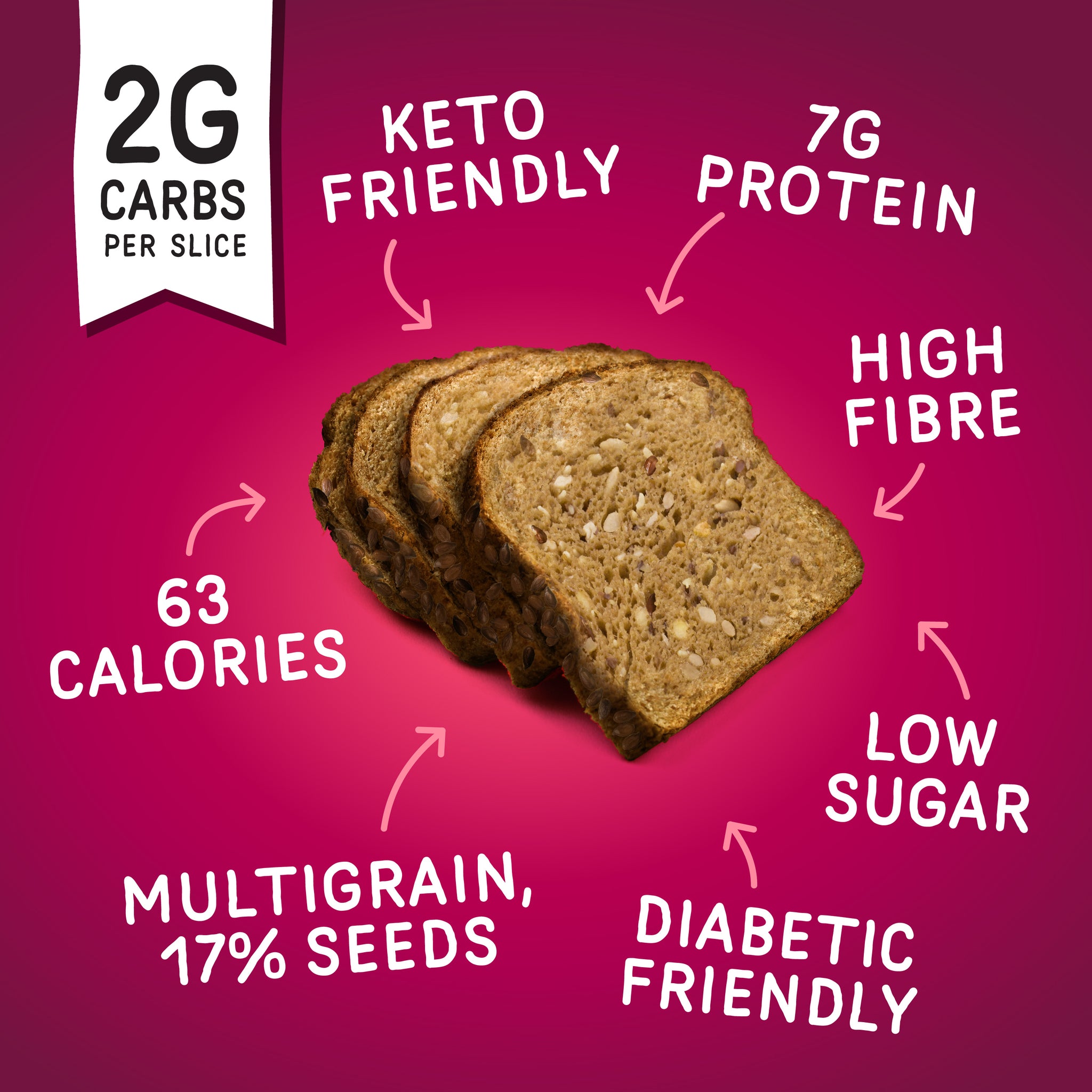
Image credit: fitbakes.co.uk
Fitbakes takes an unusual approach to the Seeded Low Carb Loaf. Instead of treating bread as something that should be removed from a diet that is low in carbohydrates The loaf was designed to ensure that each slice is of the same nutritional worth.
A Slice Is More Than Its Calorie Count
People looking for low calorie bread may naturally start with the calorie figure, but calories provide only one piece of useful information. Based on your objectives carbohydrates, protein, sugar, and fiber content can be equally important.
Fitbakes states that their loaf with seeds contains 0.8g net carbohydrate and 7g of protein per slice. It also has 17 percent seeds, specifically golden linseeds or sunflower seeds.
This gives the consumer a different option to judge bread. Instead of just asking “How many calories are in this?” it becomes useful to ask what you’re actually getting from those calories.
Why Protein Changes Conversation
Bread isn’t typically the first food item that comes to the forefront when thinking about protein. Protein content can be especially important when a person is trying to cut down on portions or to prepare meals that feel full without heavily relying on carbohydrates.
Take a look at a simple and healthy breakfast. Toast by itself is very different in nutritional value from a seeded higher-protein slice topped with an egg and avocado. In the same way, using bread for a chicken tuna sandwich, or cheese one makes an easy dinner without having someone to invent an entirely new “diet” for lunch.
Usability is a factor that consumers should consider when comparing low-carb breads available in the UK. A loaf’s practical value is not as great if you don’t use it for the meals you relish.
The job of the Seeds is More Than Texture
Golden Linseeds and sunflower seeds provide bread a distinctive bite, but they aren’t included solely for crunch. Seeds can provide nutrients like protein, fats, fiber as well as other nutrients to your recipe.
The flavor is also changed. Toasting the Fitbakes loaf has a more sweet and nutty taste, making it a good base for toppings. This is important when you’re using bread for something substantial rather than just eating it as a simple.
Knowing the “Low Sugar’ Label
It is crucial to differentiate between low-carbohydrate and sugar bread. Sugar is a type of carbohydrate. Therefore, a low sugar amount in the nutritional panel doesn’t necessarily mean it’s low in carbs.
Everyone who has to manage their carbohydrate intake must examine the complete nutritional details and the serving size instead of relying on a single front-of-package description.
Bread that is a good fit for the meal
The best way to evaluate specialty bread is to stop thinking about what it will take away and think about what it allows you to create.
Bread served with soup toasting bread under eggs or a sandwich for lunch are all common meals. One loaf with less than one gram of carbs per slice of net carbohydrate offers the carb-conscious consumer more flexibility when eating the same foods they’ve always enjoyed.
For many, that is a matter of practicality more than what’s printed on the label for nutrition.