Imagine the apps you have on your smartphone. The ones you open each day without even noticing the routine triggers, and your finger just knows where to go. In the background of that simple, second-nature interaction lies an immense amount of human psychology as well as a surprisingly technical engineering. Digital friction has become a zero-tolerance policy for modern-day users. Mobile screens that is erratic, slow to load with weak data connections or misses a notification will be deleted in minutes. For founders with funding and corporate teams focusing on growth and growth, the stakes are higher. Launching a digital product that succeeds requires more than just a stunning surface or an attractive landing page. It requires a long-term partnership with a renowned mobile app development firm that is designed to ensure human engagement right from the first week of production.
Becoming familiar with the Constantly changing Ecosystem Rules
Mobile engineering is more complicated than traditional web development since it’s basically working with shifting sand. Apple introduces an operating system that is updated every autumn. It includes stricter privacy policies, retires legacy codes and also changes the app store review protocol. Google follows a complex timeline. The notifications are always changing and background processing is regularly updated. If your team doesn’t have its eyes firmly fixed on these evolving rules, your app could rapidly fail, leading to negative reviews and broken features. This is precisely why businesses must intentionally hire mobile app developer teams who view their work as an ongoing lifecycle rather than a one-time coding sprint. Release engineering is an ongoing process that guarantees that automated shipping pipelines are active and safe during each operating system upgrade.
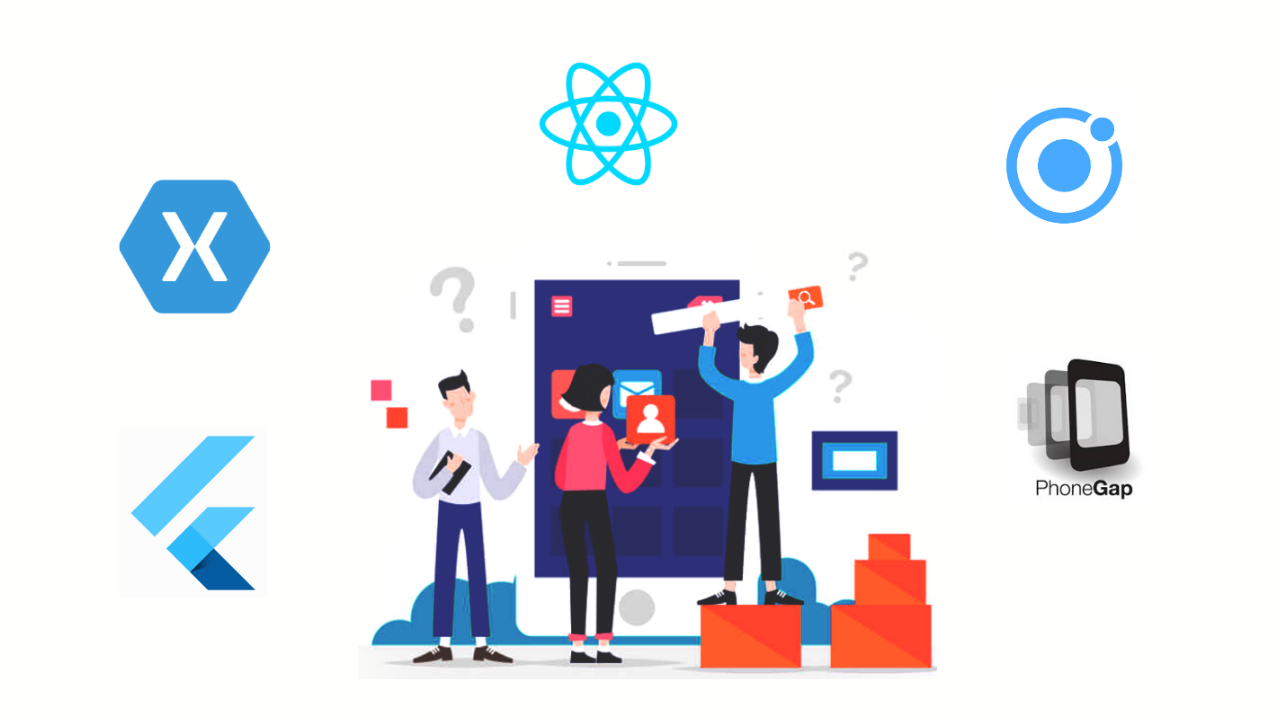
The Native Experiences at the Crossroads
When mapmaking out a new mobile-friendly roadmap, developers will eventually come to a major structural crossroads: determining how the code interacts with physical hardware. Choosing dedicated iOS app development tools gives teams full, uncompromising access to Apple’s most current native frameworks, allowing for butter-smooth animations and deep integration with specialized features such as HealthKit or biometric security. On the other end of the landscape, investing in targeted Android application development services will ensure that the app you develop is designed to accommodate the vast array of screen sizes and processing capacities found across the global device market. Native architecture is the best choice in the case of a business model that relies heavily on the use of devices, such as interacting low-latency Bluetooth devices, tracking locations in real-time, and offering smooth checkout flows by using native billing platforms.
Cross-Platform Engineering: Speeding up production times
Financial constraints and pressures from rivals can put a strain on the resources of many organizations. This issue can be solved by choosing an elite cross-platform approach to app development. It provides a united group of developers to design, develop tests, maintain, and improve the quality of a codebase which runs flawlessly on both platforms. This hybrid approach slashes traditional launch timeframes by months, allowing companies to collect real-time feedback from users at only a fraction of the cost. Brands can create stunningly stylized and perfect user interfaces by selecting an Flutter app development company that has a specialization in this technology. This ensures visual consistency across every device. This cross-platform solution, when backed up by robust background data syncing and automated testing creates the perfect balance between quick market entry and efficient execution.
Engaging users in a sustainable, long-term way
The success of mobile launches is evaluated by the longer-term behaviours of the user, and not only short-term spikes in downloads. The most efficient mobile architecture incorporates the most important triggers for behavior right into the tech stack and ensures that onboarding flow functions are beneficial within the first 60 seconds as well as ensuring that local data storage works seamlessly during unexpected cellular drops and that notification systems are in line with the users’ focus. The primary goal is the same whether your team is trying to deliver a minimum-viable product (MVP) to prove market fit or deploy an enormous enterprise data system that requires strict conformity. By adopting a disciplined high-quality, predictable engineering pattern using Digital Heroes that respects your users’ needs and the performance of their devices to create an effective digital asset that inspires deep loyalty, supports consistent business growth, and stays on users’ screens for a long time to come.